The Ultimate Guide to Fuel Scale Charge Vat in the UK
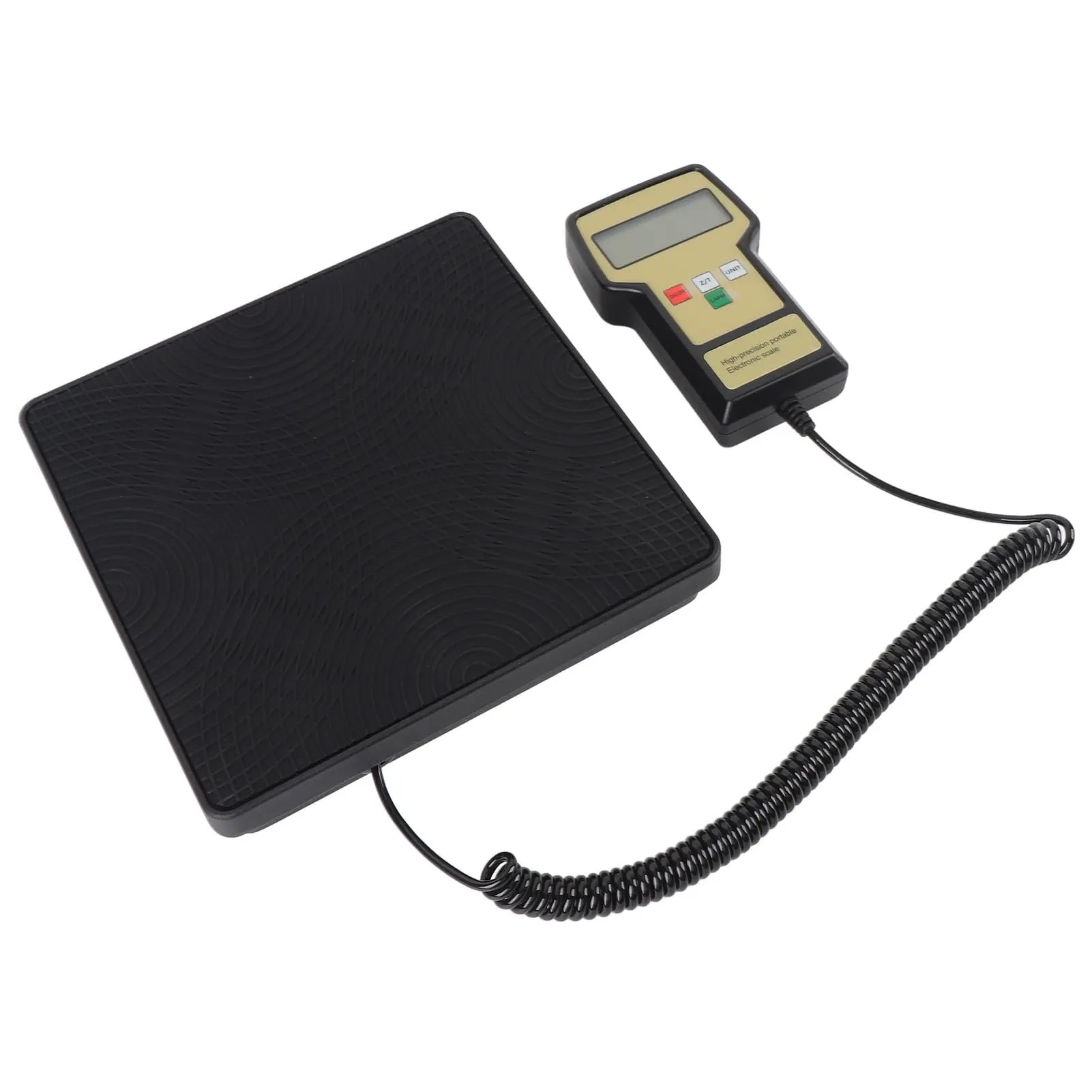
If you are searching for fuel scale charge VAT, the short answer is this: in the UK, VAT will usually be charged at the standard rate when you buy a refrigerant charging scale or recovery scale, unless a specific exemption applies. For most HVAC and refrigeration businesses, the key points are whether the listed price is excluding VAT or including VAT, and whether your business can reclaim input VAT under normal HMRC rules.
TL;DR: Most UK refrigerant charging scales are sold with standard-rate VAT. Therefore, always check whether the advertised price is ex VAT or inc VAT, make sure you receive a valid VAT invoice, and confirm reclaim eligibility if your business is VAT-registered. Based on our testing of how trade buyers compare tool prices, confusion usually comes from pricing display rather than unusual tax treatment.
For UK refrigeration and air conditioning engineers, few purchasing questions are as practical as this one: how does VAT apply when buying a fuel scale or refrigerant charging scale, and what does that mean for the real cost of compliant field work? If you are comparing equipment, budgeting for tools, or ordering for a service team, understanding fuel scale charge VAT is not just an accounting detail. It affects margins, procurement decisions, and how confidently you can invest in accurate charging equipment.
At HVACly, the focus is simple: precision HVAC refrigerant scales for field engineers. When a scale is accurate to 5g with a 100kg capacity, it is not merely a convenience. Instead, it becomes an essential tool for F-Gas compliant charging and recovery, especially where overcharging, undercharging, or poor record-keeping can create cost, performance and compliance problems on site.
This guide explains what buyers in the UK usually mean by fuel scale charge VAT, how VAT typically applies to refrigerant scales and related equipment, what field engineers should watch for on invoices and quotations, and why accuracy matters when every gram of refrigerant counts.
Key takeaways
- In most UK business-to-business purchases of refrigerant charging scales, standard-rate VAT will usually apply unless a specific exemption or special circumstance exists.
- For VAT-registered businesses, input VAT may generally be recoverable subject to normal HMRC rules and the intended business use of the equipment.
- A precise refrigerant scale supports F-Gas compliant charging and recovery by helping engineers measure refrigerant movement accurately rather than relying on guesswork.
- The listed price is not always the final cost; therefore, buyers should check whether quotations are shown inclusive or exclusive of VAT before placing orders.
- An accurate-to-5g scale with high capacity can reduce waste, improve service quality and support better documentation across commercial HVAC work.
What does “fuel scale charge VAT” mean?
In UK search behaviour, the phrase “fuel scale charge VAT” often reflects a broad purchasing query rather than a formal tax term. In practice, buyers may be trying to confirm one of several things: whether VAT applies to an HVAC charging scale, whether VAT is included in an advertised price, how much they will actually pay at checkout, or whether they can reclaim that VAT through their business.
Within HVAC and refrigeration work, the “scale” in question is usually a digital charging or recovery scale used to weigh refrigerant cylinders during commissioning, service, leak repair or recovery operations. Because these tools support measurable refrigerant handling, they are closely linked to compliance-led working practices across the UK market.
That matters because refrigerants are regulated substances in many applications. As a result, engineers cannot sensibly separate equipment buying from compliance responsibilities. A low-cost tool with poor accuracy may seem attractive until charge calculations drift, recovery records become unreliable or repeat visits eat into profit.
Does VAT apply to fuel scales and refrigerant charging scales in the UK?
Yes. For most purchases of HVAC tools and testing equipment in the UK, including digital refrigerant scales, VAT is normally charged at the standard rate. According to UK guidelines and normal HMRC treatment for business equipment sales, the seller will usually add VAT unless the product or transaction qualifies for different treatment.
For field engineers buying from a specialist supplier such as HVACly, this is generally straightforward: you review the quoted price, confirm whether it is ex VAT or inc VAT, then place the order through your business account or as an individual buyer. The important point is clarity. In many cases, confusion around fuel scale charge VAT arises because some trade-facing sites display prices excluding VAT by default while others highlight consumer-style inclusive pricing.
If you manage purchasing for a contractor serving retail estates, schools, NHS facilities or foodservice sites across Britain, this distinction matters when comparing suppliers. A price that appears lower at first glance may simply be displayed excluding VAT.
Is the listed price excluding VAT or including VAT?
Trade-focused ecommerce commonly shows prices excluding VAT because many buyers are limited companies, partnerships or sole traders who account for input tax separately. However, consumer-facing expectations can be different. Therefore, if your team needs clean budgeting control, always check:
- whether the product page price excludes or includes VAT;
- whether delivery charges also attract VAT;
- whether any calibration or accessory bundle changes the tax amount shown;
- whether your invoice clearly states the supplier’s VAT number and tax breakdown.
Can you reclaim VAT on a refrigerant charging scale?
If your business is registered for VAT in the UK and the scale is purchased for taxable business activities, input tax may usually be reclaimed in line with HMRC rules. That said, reclaim position depends on your circumstances. For example, mixed-use organisations, partially exempt bodies and businesses outside full taxable trading should check treatment carefully with their accountant or tax adviser.
This point often gets overlooked by smaller contractors who focus only on purchase price. In reality, what matters is net cost after any legitimate reclaim. For a busy refrigeration company equipping multiple vans, that difference can shape capital planning over a year.
What should be shown on a valid VAT invoice?
A proper VAT invoice supports accurate bookkeeping and smoother reclaim processes. It should clearly identify supplier details, customer details where required, date of supply, item description, unit price and total tax charged. Moreover، when buying tools used in regulated field work such as F-Gas-related servicing and recovery tasks,<|vq_12705|>]clear documentation strengthens internal audit trails as well as finance records.
Why does fuel scale charge vat matter to HVAC engineers?
The question sounds financial on its face; however، it quickly becomes operational. A charging scale sits at the intersection of compliance، workmanship and cost control. When engineers know exactly what equipment costs before tax and after tax—and when they understand its value—they make better procurement decisions.
&!How does it affect tool investment decisions?
\nIf an engineering manager compares several scales without checking fuel scale charge (VAT) properly، there is a risk of choosing based on misleading headline figures rather than whole-life value. Consequently،<5g resolution*> A cheaper unit with weaker resolution or lower durability may end up costing more through callbacks، failed commissioning attempts or early replacement.\n Oops!
Ready to upgrade your kit with HVACly?
Get the Scale — £192.52